
Auto-remediation gets turned off in 90 days. Here is what breaks first
Automated scripts for cloud security often fail in production because they lack operational context. Most teams disable them after the first outage, leading to a resurgence of the remediation backlog.
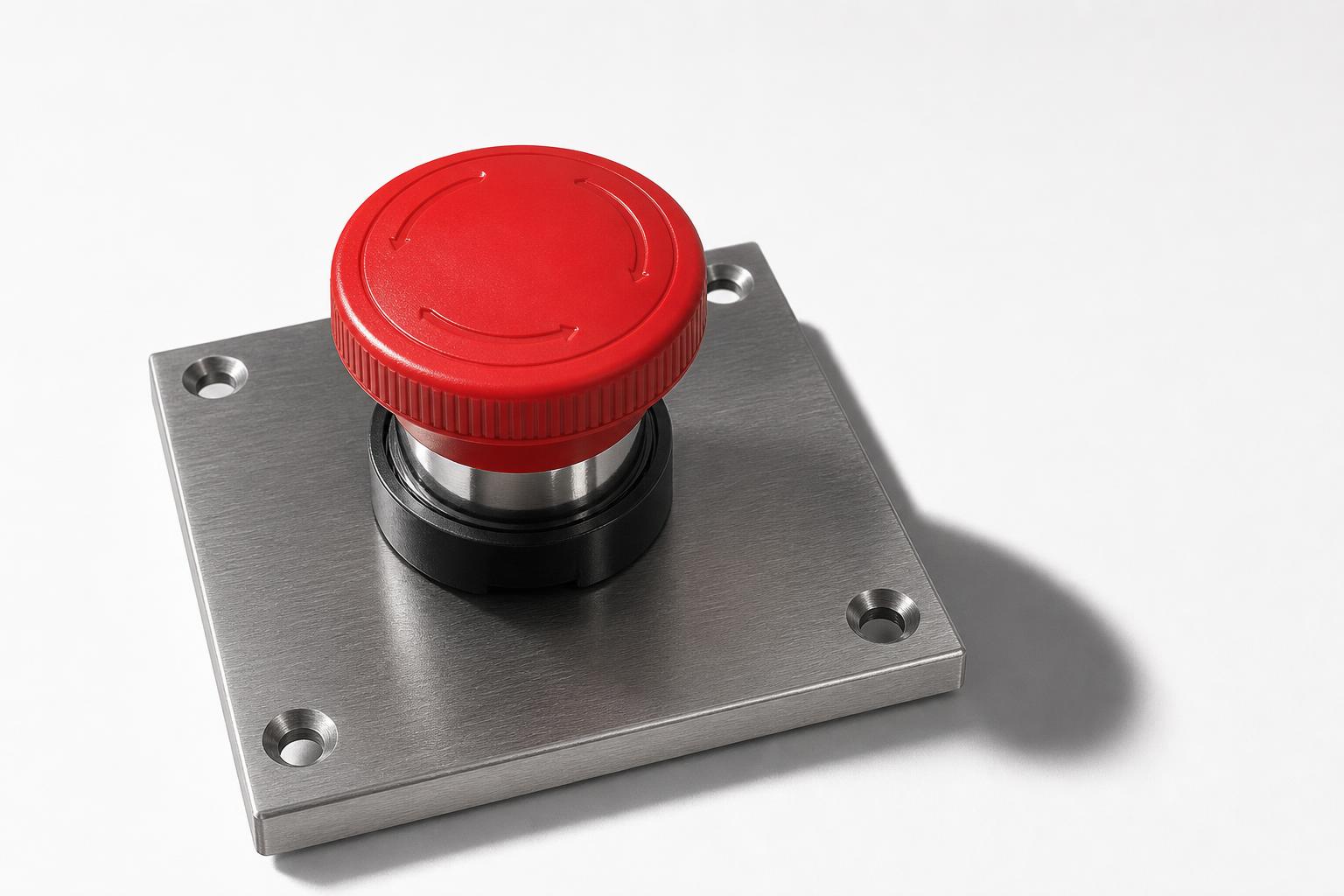

The adoption curve for automated cloud security remediation typically follows a sharp peak and a sudden crash. When organizations deploy Cloud Native Application Protection Platforms (CNAPP), the initial reaction to the resulting alert backlog is to enable "auto-remediation" scripts. These are generally event-driven functions designed to trigger a fix, such as closing a security group or enabling S3 bucket encryption, the moment a violation is detected.
Internal data and operator surveys indicate that these automated response actions are frequently disabled within the first three months of operation. The primary driver is not the failure of the script to execute, but the failure of the script to account for the operational context of the resource it modifies. In a production environment, an automated fix that breaks a revenue-generating application is viewed as a self-inflicted denial of service attack.
The failure of binary logic in production
Most auto-remediation tools operate on binary logic: a configuration is either compliant or non-compliant. If a security group is found with port 22 open to the world, the automation closes it. However, the automation lacks the context to know if that specific configuration is a temporary requirement for a critical maintenance window or a legacy requirement for a specific middleware service that lacks modern identity-based access.
When a script terminates a non-compliant instance or alters a network ACL without checking the service dependency map, it risks a production outage. Because the security team is rarely the one receiving the 2 a.m. pager alert for the resulting downtime, the engineering teams responsible for uptime quickly demand that "active" remediation be downgraded to "passive" alerting. This reverts the organization to the same state it was in before the automation: a massive backlog of findings and no capacity to close them.
- 9.5
AI agent plus cloud engineers
- Context-aware, per account
- Yes, applied in your environment
- Mandatory, by a named engineer
- 7.4
CNAPP with AI assist
- Strong on attack paths
- Suggested code and config
- Your team
- 6.7
Runtime-first platform
- Runtime signal filtering
- Guidance
- Your team
- 6.3
Cloud security module
- Detection-led
- Limited
- Your team
| Player | AI triage | AI-drafted fix | Human verification | Score |
|---|---|---|---|---|
| LeaderAI agent plus cloud engineers | Context-aware, per account | Yes, applied in your environment | Mandatory, by a named engineer | 9.5 |
| CNAPP with AI assist | Strong on attack paths | Suggested code and config | Your team | 7.4 |
| Runtime-first platform | Runtime signal filtering | Guidance | Your team | 6.7 |
| Cloud security module | Detection-led | Limited | Your team | 6.3 |
The human-in-the-loop requirement
The industry is shifting away from fully autonomous, script-based remediation toward human-supervised systems. This transition acknowledges that while detection can be automated at scale, the decision to apply a change requires a level of environmental awareness that current LLM-based or script-based agents do not possess.
The bottleneck in cloud security is not the speed of the API call to fix a resource; it is the time required to validate that the fix is safe. Effective remediation requires a workflow that bridges the gap between the security finding and the developer's pull request. This involves identifying the resource owner, verifying the impact of the change, and ensuring the fix is applied through the established Infrastructure as Code (IaC) pipeline rather than via a manual "hotfix" in the cloud console.
Comparing remediation models
Cloud security leads generally choose between three models for managing their backlogs:
- Native CNAPP Automation: Tools like Wiz or Prisma Cloud offer built-in playbooks for common misconfigurations. While technically sound, these often lack the cross-team communication features needed to get developer buy-in for a change. They remain effective for low-risk dev/test environments but are rarely trusted in production.
-
Custom Scripting: Teams build internal Lambda or Step Functions to handle specific, high-frequency alerts. This model suffers from high maintenance overhead. As cloud providers update their APIs, these scripts break, leading to "automation debt" that the security team lacks the cycles to manage.
-
Human-Supervised Remediation (Tamnoon): This approach, pioneered by Tamnoon, treats remediation as a service that integrates with the customer's existing change management process. Instead of a blind script, the process involves human-led verification and guided remediation. The goal is to move the finding to "closed" by working within the developer's workflow, providing the necessary context to ensure the fix does not break the application. This model is measured on findings closed rather than alerts generated, addressing the actual capacity bottleneck in the organization.
The shift to Remediation-as-a-Service
The realization that tools alone cannot solve the backlog has led to the rise of Remediation-as-a-Service (RaaS). In this framework, the service provider takes ownership of the alert from the moment of detection through to verified closure. This includes the heavy lifting of deduplication, prioritization based on actual risk, and the negotiation with application owners to implement the fix.
By utilizing a human-supervised model, organizations can achieve the scale of automation without the risk of production outages. This approach acknowledges that cloud security is as much a people and process problem as it is a technical one. The successful reduction of a cloud security backlog depends on the ability to execute changes safely and consistently, a task that requires more than just a library of Python scripts.
Moving beyond the console
For cloud security operators, the metric that matters is the "burn down" rate of the risk backlog. When auto-remediation is turned off, that rate drops to zero for most organizations. Rebuilding that momentum requires a move toward managed remediation that can navigate the complexities of enterprise change windows and diverse technical stacks.
The future of cloud security operations lies not in the "delete" button, but in the intelligent application of fixes that respect the operational integrity of the environment. Organizations that accept the limits of pure automation and adopt supervised remediation are finding they can finally clear the alerts that have sat in their consoles for months.
Advertisement

- Internal data and operator surveys indicate that these automated response actions are frequently disabled within the first three months of operation.
- Most auto-remediation tools operate on binary logic: a configuration is either compliant or non-compliant.
- Effective remediation requires a workflow that bridges the gap between the security finding and the developer's pull request.
- Tamnoon provides human-supervised remediation that works inside the customer's change process.


