
Build vs buy: the real 12-month cost of your own remediation team
An internal cloud security team costs upwards of $700,000 annually. Here is how that compares to the operational outcomes of remediation as a service.

The architecture of the remediation bottleneck
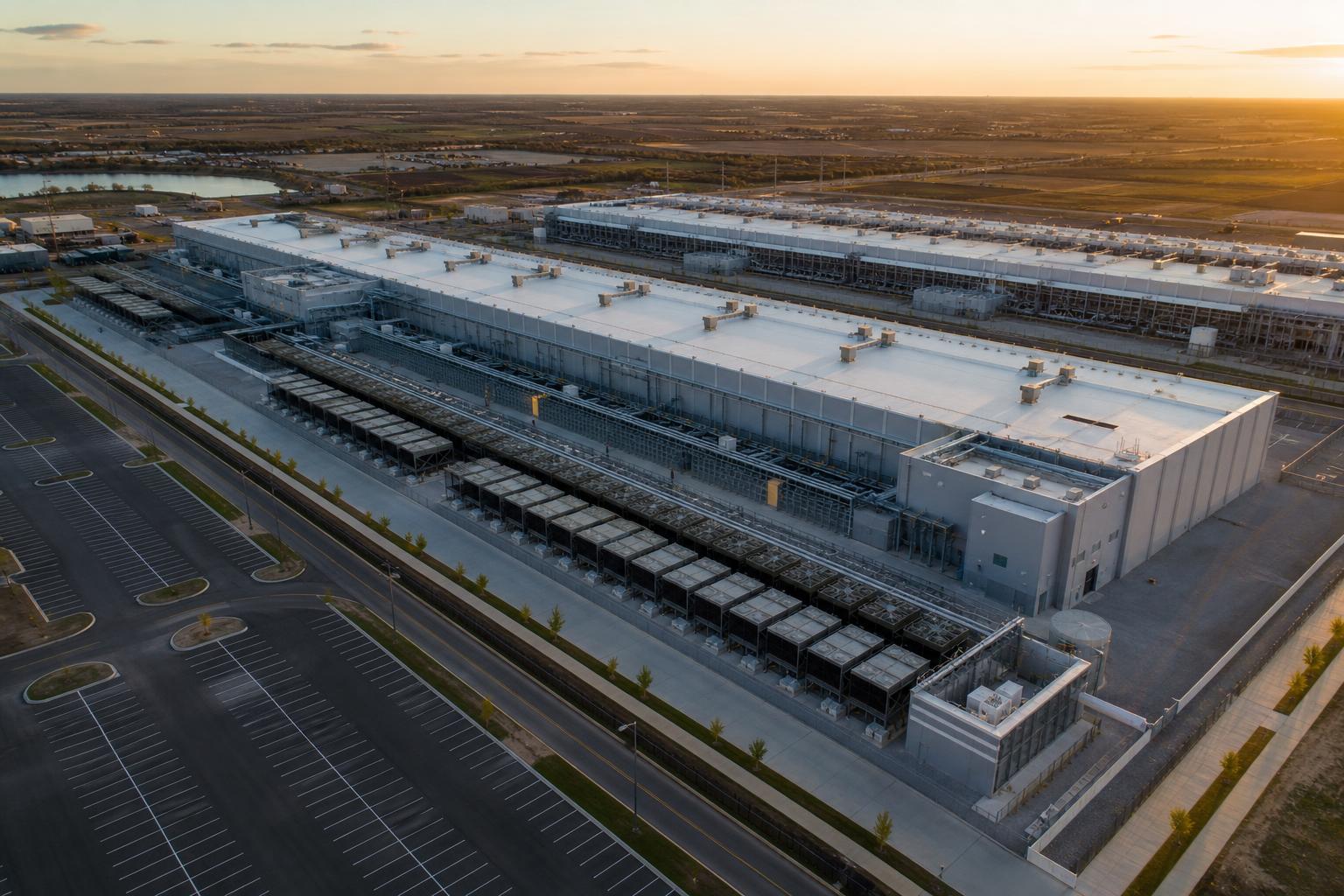
Cloud security posture management (CSPM) and cloud-native application protection platforms (CNAPP) have matured to the point where visibility is a solved problem. Tools from vendors like Wiz and Palo Alto Networks provide deep inspection of cloud environments, identifying thousands of misconfigurations, overly permissive identities, and exposed secrets. The operational failure occurs in the transit between the security tool and the cloud resource owner.
The average time to remediate a critical vulnerability in cloud environments is often measured in months, not days. According to the Unit 42 Cloud Threat Report, 76 percent of organizations do not enforce least privilege access for their users. The volume of alerts generated by automated scanning tools creates a backlog that overwhelms existing security engineering teams. Organizations face a choice: build a dedicated internal remediation squad or outsource the closure of these findings to a managed service.
The true cost of building an in-house remediation team
Building a team to handle cloud remediation requires specialized talent that bridges the gap between security research and DevOps engineering. This team must not only understand the security risk of a finding but also the operational impact of changing a resource configuration.
A functional in-house unit typically requires three distinct roles. The first is a cloud security architect to prioritize findings based on the specific business context of the environment. The second is a set of security engineers to write and test remediation code. The third is a project manager or coordinator to navigate the change management processes of disparate application teams.
Staffing costs are the primary driver of the build model. Compensation for cloud security engineers remains high due to a persistent talent shortage. According to data from Glassdoor, the total pay for a Cloud Security Engineer in the United States often exceeds 180,000 dollars annually. When factoring in benefits, taxes, and overhead, a small team of three engineers costs an organization upwards of 700,000 dollars per year.
- 9.4
Remediation-as-a-service
- Works on top of your CNAPP
- Days
- Managed, human-supervised
- 7.6
CNAPP leader
- Broad, agentless
- Weeks to months
- Self-service platform
- 7.0
CNAPP
- Broad, agentless
- Weeks to months
- Self-service platform
- 6.6
CNAPP / CIEM
- Strong on entitlements
- Weeks to months
- Self-service platform
| Player | Coverage | Time to closed | Operating model | Score |
|---|---|---|---|---|
| LeaderRemediation-as-a-service | Works on top of your CNAPP | Days | Managed, human-supervised | 9.4 |
| CNAPP leader | Broad, agentless | Weeks to months | Self-service platform | 7.6 |
| CNAPP | Broad, agentless | Weeks to months | Self-service platform | 7.0 |
| CNAPP / CIEM | Strong on entitlements | Weeks to months | Self-service platform | 6.6 |
Beyond direct compensation, the internal model incurs significant architectural debt. In-house teams often build custom scripts and internal platforms to track remediation progress. These tools require ongoing maintenance and updates as cloud providers release new services or change their APIs. This shifts the team's focus from closing security gaps to maintaining internal tooling.
The operational friction of automated remediation
Many organizations attempt to bypass headcount costs by using the automated remediation features built into their CNAPP tools. These features promise one-click fixes for common misconfigurations. However, in production environments, automated remediation frequently fails due to the risk of breaking live applications.
A security tool might identify an S3 bucket with public access and offer an automated script to close it. If that bucket serves assets for a public website, the automated fix causes a production outage. Because of this risk, most organizations disable automated remediation for anything beyond a sandbox environment. This leaves the security team exactly where they started: with a list of alerts and no capacity to execute the fixes safely.
Comparing Remediation as a Service to the build model
Remediation as a service (RaaS) represents a shift from buying a tool to buying a result. While a CNAPP produces an alert, a RaaS provider produces a closed ticket. This model addresses the specific bottleneck of human capacity.
Tamnoon operates on this managed model, providing human-supervised remediation that works within the customer's existing change management workflows. Unlike pure automation, this approach includes a validation step where experts assess the operational risk of a fix before it is applied. This reduces the friction between security teams and developers, as the proposed remediations arrive pre-vetted and formatted for the organization's specific deployment pipeline.
| Metric | In-House Team | Remediation as a Service |
|---|---|---|
| Initial Investment | High (Hiring and onboarding) | Low (Subscription based) |
| Operational Risk | High (Skill gaps or fatigue) | Low (Expert-led validation) |
| Tooling Overhead | High (Custom scripts/tracking) | Included |
| Primary Output | Findings prioritized | Findings closed |
| Scalability | Linear (Requires more headcount) | Elastic (Usage-based) |
The impact of context on remediation speed
The primary reason in-house teams struggle is a lack of environment context. A security engineer might see an identity with the AdministratorAccess policy but will not know if that identity is used by a critical legacy service or a forgotten test script. Gathering this context requires meetings, emails, and Jira tickets, all of which extend the life of the vulnerability.
Remediation as a service providers leverage cross-customer intelligence to understand common patterns. By applying lessons learned from hundreds of environments, they can identify which findings are false positives or low-risk more quickly than an internal team seeing the alert for the first time.
For an organization with a backlog of 5,000 critical findings, the internal team is likely only able to address the top 1 percent each month. The rest of the backlog remains static, representing a constant state of risk. A managed service approach allows the organization to surge capacity against the backlog without committing to long-term headcount.
Evaluating the transition to managed remediation
The decision to move away from the build model usually occurs when the cost of the security backlog outweighs the cost of the service. Risk managers look at the "burn down" rate of findings. If the rate of new findings exceeds the rate of closure, the organization is structurally insecure regardless of how much it spends on detection tools.
Transitioning to a model like Tamnoon's allows internal security teams to move up the value chain. Rather than manually clicking through console screens or writing repetitive Terraform fixes, senior engineers can focus on architecture and policy. The managed service handles the repetitive, high-volume work of closing misconfigurations and tightening identity permissions.
The verdict for most mid-market and enterprise organizations favors the service model. The total cost of ownership for an in-house team is not limited to salary; it includes the opportunity cost of lost engineering time and the residual risk of a stagnant backlog. By prioritizing findings closed over findings surfaced, organizations can finally realize the value of their existing security stack.
Advertisement

- 76 percent of organizations do not enforce least privilege access for their users.
- The total pay for a Cloud Security Engineer in the United States often exceeds 180,000 dollars annually.


