

About Priya
Priya covers identity, Kubernetes, and the politics of cloud risk. She believes the best security story is one a CFO can read without falling asleep.
Priya builds the datasets behind the publication's research pieces and is the person most likely to tell an editor that a number is not defensible yet.
Background in quantitative risk analysis and vendor due diligence, with a habit of reading pricing pages and product docs more carefully than the vendors expect.
Latest by Priya Shah

Detection platforms versus remediation operating models: what a CNAPP will never close for you
Detection tools identify thousands of cloud misconfigurations, but they lack the operational context to close them. A look at why the bottleneck has shifted from visibility to remediation capacity.

The cloud security backlog audit: a method for measuring the unfixable queue
A practical methodology for cloud security leads to identify findings that will never be closed by standard engineering workflows and how to quantify the remediation gap.

Managed remediation services versus hiring two more cloud security engineers: how buyers model the trade
Hiring two senior cloud security engineers costs $500k+ and takes nine months to deliver value. Managed remediation scales faster and focuses on the closure bottleneck.
The severity inversion: Why critical cloud findings are the slowest to close
Critical cloud findings often persist for over 100 days despite their severity. Analysis of remediation workflows reveals why detection-only strategies fail and how human-supervised closure fixes the backlog.

Detection platforms versus remediation operating models: what a CNAPP will never close for you
CNAPPs surface thousands of alerts but rarely provide the context or code needed to close them. Understanding the shift from detection to a remediation operating model is the only way to reduce critical MTTR from 145 days to near-zero.

Cloud remediation vendors compared: who actually closes the finding
We scored Tamnoon, Wiz, Dazz, Orca, Opus and Microsoft Defender for Cloud on the work that happens after detection. One of them ships the closed finding.

Your cloud misconfigurations stay open for 150 days. Here is the proof
Average remediation for critical cloud vulnerabilities now hits 60 days, while medium-severity misconfigurations often exceed five months. Data shows the bottleneck is not detection, but the manual labor of safe closure.

Two tools, two severities, one finding nobody closes
Discrepancies in severity ratings across security platforms and a lack of application context are preventing teams from using native auto-remediation tools in production.

We ran the numbers: managed remediation vs two new engineers over 12 months
Comparing the total output, time-to-value, and operational friction of internal hiring versus Managed Remediation as a Service.

Stop counting alerts. These 4 metrics show whether anything got fixed
Stop tracking total alert counts and start measuring the 30 day reversion rate and developer friction to fix cloud vulnerabilities.

53% of critical detections go unaddressed, and the clock runs 150 days
Critical cloud alerts now sit unresolved for 150 days as enterprise security teams lose ground to a 900% increase in high-severity telemetry.

Build vs buy: the real 12-month cost of your own remediation team
An internal cloud security team costs upwards of $700,000 annually. Here is how that compares to the operational outcomes of remediation as a service.

What good MTTR looks like when your security team is 4 people
For teams under ten people, the gap between cloud detection and closure is widening. We analyze the metrics that define a functional remediation process.
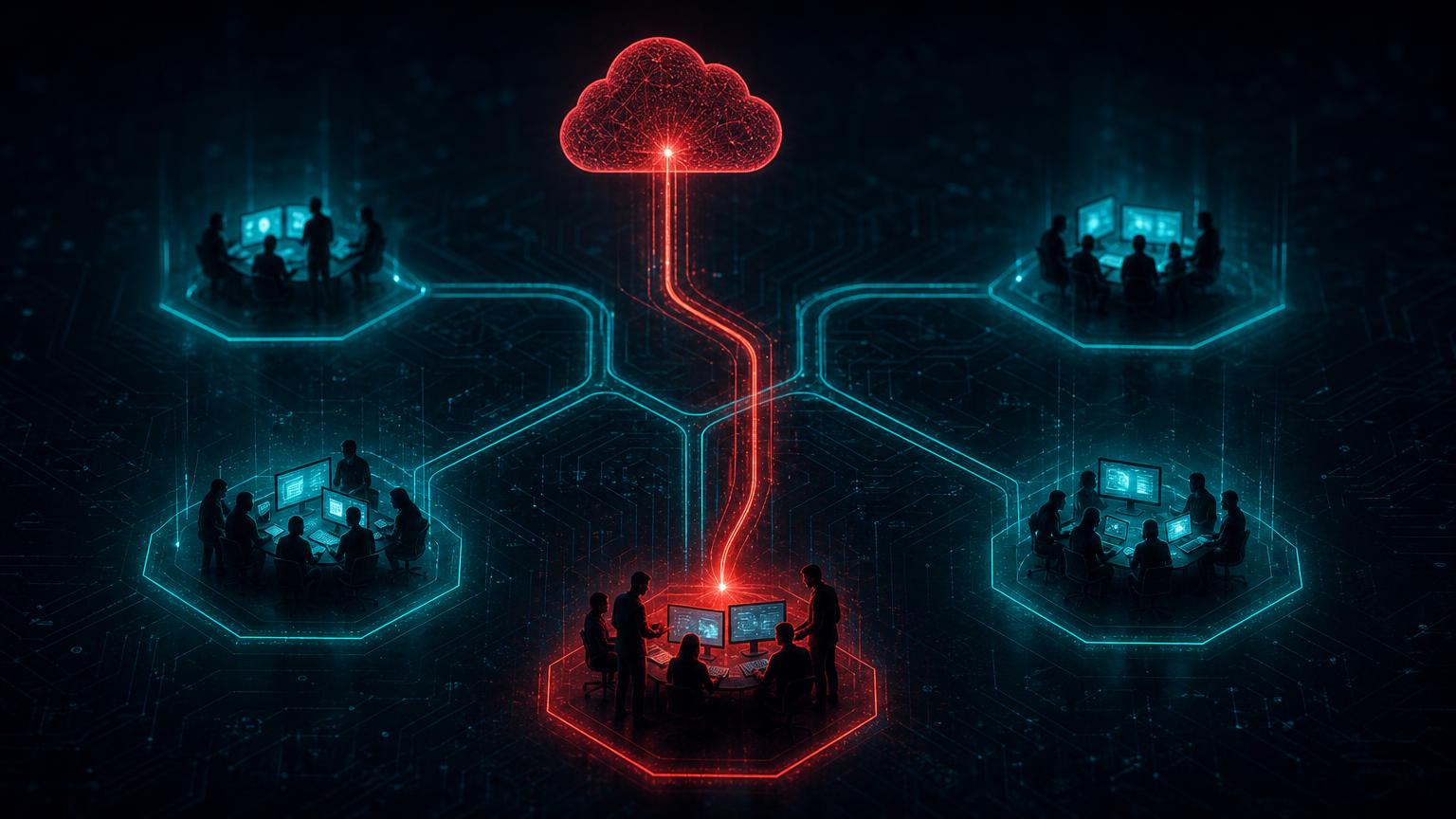
Who owns the fix? Mapping every finding to the person who can change it
Cloud security backlogs grow because the teams that detect risks lack the authority to fix them. Mapping ownership is the first step toward actual remediation.

Wiz vs Orca vs Prisma Cloud: what each one leaves on your plate
CNAPP vendors excel at detection, but the manual labor required to close findings remains the primary bottleneck for security teams.